
Transportation Charter Permit (TCP)
What Is a Transportation Charter Permit (TCP)?
Quick Answer
A Transportation Charter Permit (TCP) is a license issued by the California Public Utilities Commission.
This permit allows companies to provide pre-arranged passenger transportation for compensation in California.
Companies operating limousines, executive cars, SUVs, vans, or charter buses must obtain this permit.
California law prohibits charter transportation services without valid TCP authority.
Key Facts About Transportation Charter Permits
• Issued by the California Public Utilities Commission
• Required for charter-party passenger carriers
• Applies to limousines, luxury sedans, SUVs, vans, and charter buses
• Transportation services must be pre-arranged
• Companies must maintain commercial passenger carrier insurance
• Regulations follow California Public Utilities Code and CPUC General Order 157-E
Who Needs a TCP License in California?
Companies that offer pre-arranged chauffeured transportation services must obtain a TCP permit.
Common examples include:
- Limousine transportation companies
- Luxury town car services
- Executive SUV transportation
- Sprinter van transportation
- Charter bus transportation
- Corporate transportation providers
- Airport transportation services
California law classifies these businesses as charter-party passenger carriers.
The California Public Utilities Commission regulates these carriers.
Why a TCP Permit Matters for Passenger Safety
A TCP permit confirms that a transportation company follows state licensing and safety requirements.
Transportation providers must meet several regulatory standards before receiving a permit.
These standards include:
- Commercial passenger carrier liability insurance
- Business registration with the State of California
- Proper vehicle registration
- Enrollment in a certified drug-testing program
- Participation in the DMV Pull Notice monitoring system
These safeguards protect passengers and strengthen industry accountability.
Some larger vehicles must also register with the California Highway Patrol.
This requirement typically applies to vehicles designed for more than ten passengers.
Commercial Insurance Requirements
TCP-licensed companies must carry commercial passenger carrier liability insurance.
This coverage protects passengers during paid transportation services.
Personal automobile policies do not cover commercial passenger transportation.
California regulations require transportation companies to maintain this commercial coverage.
The California Public Utilities Commission enforces these requirements.
TCP Compliance and California Law
California law prohibits companies from operating charter transportation services without TCP authority.
Transportation companies must receive authorization from the California Public Utilities Commission before offering services.
California Public Utilities Code Sections 1034.5 and 5414.5 regulate transportation advertising and authority.
Transportation companies cannot advertise services without valid operating authority.
Violations may result in citations, fines, or misdemeanor charges.
Fines of $1,000 or more may apply in certain enforcement cases.
These rules protect consumers and maintain professional transportation standards.
Displaying TCP Numbers
CPUC General Order 157-E requires transportation companies to display their TCP number.
Companies must include the TCP number on:
- Company websites
- Advertising materials
- Business cards
- Written contracts and proposals
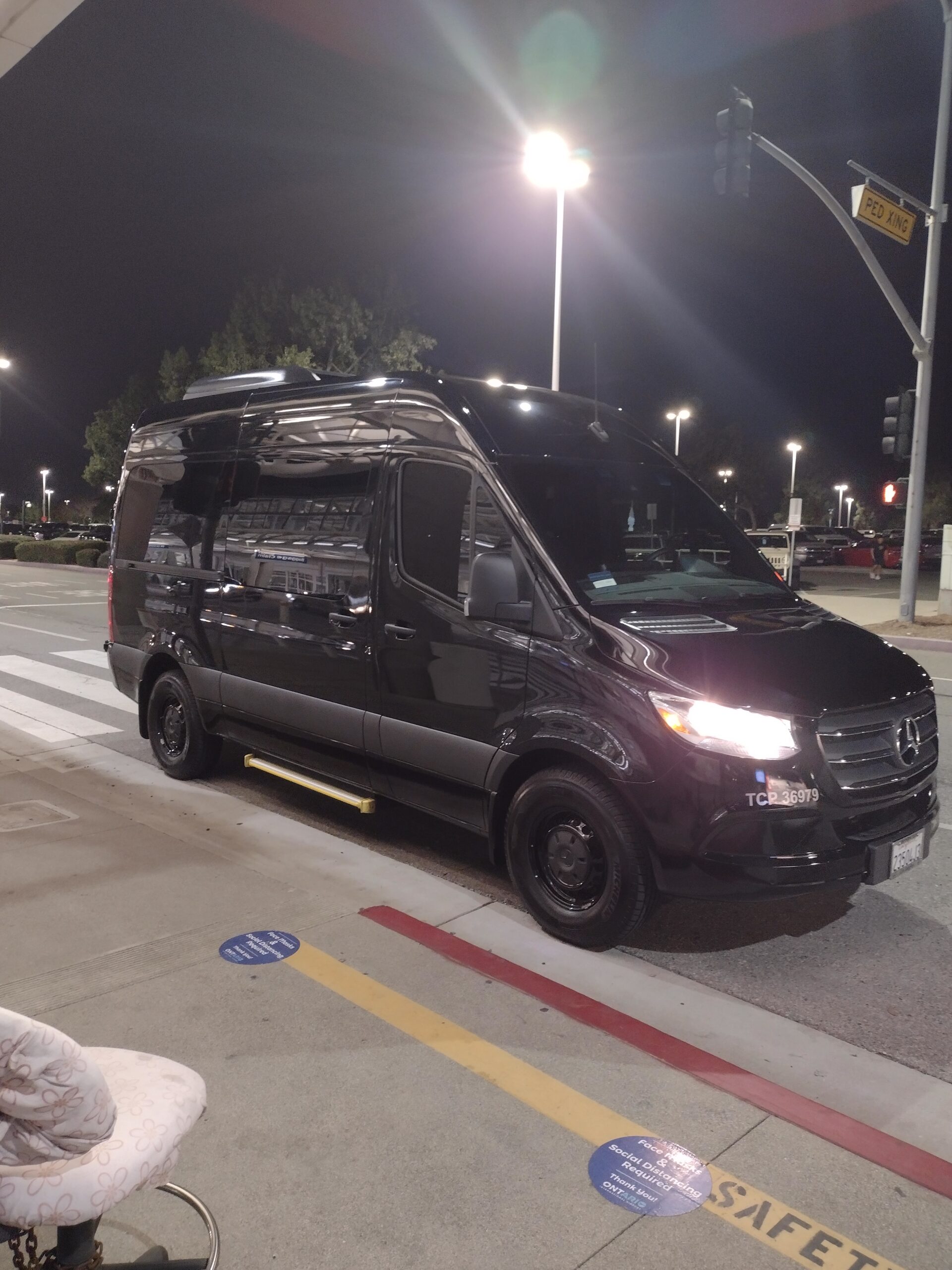
Companies must also display the TCP number on their vehicles.
Most providers place the number on both sides of the vehicle.
Lettering must usually measure at least two inches in height.
Regulators may issue enforcement actions when companies fail to display TCP numbers properly.
How Passengers Can Verify a TCP Permit
Passengers should verify a company’s TCP authority before booking transportation.
Licensed companies provide their TCP number upon request.
Consumers can verify permit status through the official CPUC carrier database.
Use the official lookup tool here:
The California Public Utilities Commission maintains this database.
Passengers can confirm permit status and regulatory compliance using this system.
Ride N’ Relax Luxury Transportation
Ride N’ Relax provides professional chauffeured transportation services in California.
Owner Patrick W. Paige founded the company in 2016.
Ride N’ Relax operates as a licensed charter-party passenger carrier.
The company follows California TCP regulations and safety standards.
Ride N’ Relax provides transportation services that include:
- Airport transportation
- Corporate transportation
- Luxury car services
- Executive SUV transportation
- Group transportation services
The company prioritizes safety, professionalism, and regulatory compliance.
Frequently Asked Questions About TCP Permits
What does TCP stand for?
TCP stands for Transportation Charter Permit.
The California Public Utilities Commission issues this permit to licensed charter carriers.
Is a TCP permit required for limousine services?
Yes. Limousine companies must obtain a TCP permit before transporting passengers for compensation in California.
Can a transportation company operate without a TCP?
No. California law prohibits charter transportation services without valid TCP authority.
Violators may receive fines, citations, or misdemeanor charges.
How can passengers verify a company’s TCP number?
Passengers can verify permit status through the CPUC carrier lookup database.
The California Public Utilities Commission provides this public search tool. https://tcportal.cpuc.ca.gov/TCP/s/
About the Author
Patrick W. Paige is the Owner and Chief Executive Officer of Ride N’ Relax.
He founded the company in 2016.
Paige manages charter transportation services operating under California TCP regulatory requirements.
His work focuses on passenger safety, regulatory compliance, and professional transportation operations.
Commercial Liability Insurance
A Must: For-hire passenger carriers must file evidence of liability insurance to operate legally, such as through the California Public Utilities Commission (CPUC).
 BOOK NOW